The aviation industry is officially navigating its most severe shock since the global pandemic. What began as regional airspace closures late last month has rapidly morphed into the most severe global travel disruption 2026 has recorded so far. Driven by escalating military conflict in the Middle East, over 46,000 flights have been canceled worldwide. Travelers scrambling to find alternative routes are facing an unprecedented reality, contributing to the massive airfare price surge today that has pushed ticket costs up by as much as 900% on major international corridors.
Aviation's Biggest Shock: The Scale of Cancellations
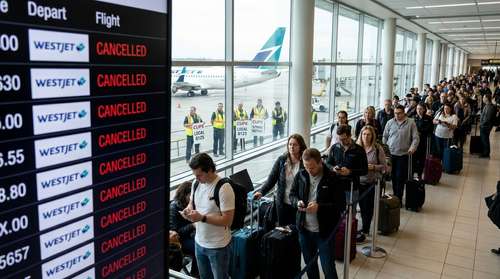
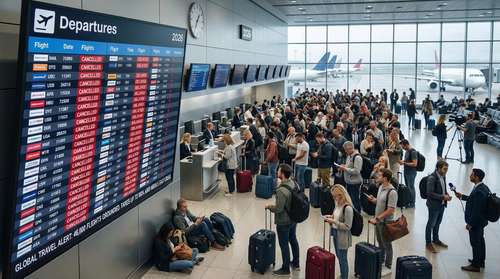
The numbers paint a stark picture of a paralyzed transit network. Following strikes in the region that began on February 28, authorities across multiple countries—including the UAE, Qatar, Bahrain, Kuwait, and Jordan—were forced to abruptly restrict or close their airspace to ensure civilian safety. The scale of flight cancellations Middle East airports are reporting is unprecedented. Aviation analytics revealed that on a single day earlier this month, over 29% of all scheduled flights in the region did not operate. Data shows that cancellation rates hit a staggering 94% at Bahrain International Airport and over 90% at major connecting hubs like Dubai International and Doha's Hamad International.
Airlines that rely heavily on these transit corridors, such as Emirates, Qatar Airways, and Etihad Airways, essentially had to freeze operations for days at a time. British Airways, Lufthansa Group, Air France-KLM, and other major international carriers followed suit, suspending routes and leaving hundreds of thousands of passengers completely stranded. Stock markets reacted swiftly to the chaos, with major airline shares plunging between 5% and 9% as the crisis unfolded. Industry veterans are already calling this the most acute aviation shock since the Covid-19 pandemic paralyzed global transit.
The Staggering Cost of Rerouting and Fuel
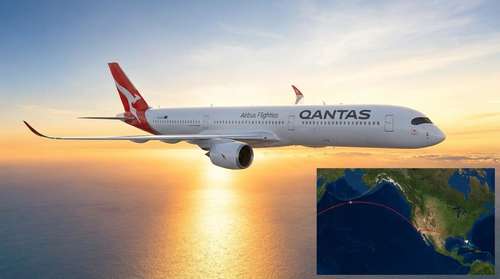
The financial toll of this crisis is mounting rapidly. Tourism experts estimate a daily $600 million loss in international tourism spending as a direct result of these groundings, hitting hospitality and local businesses hard. For the aircraft still allowed to fly, the logistics are nothing short of a nightmare. Extensive international flight rerouting has become the only viable option for carriers trying to connect Europe, Asia, and Australia without crossing restricted conflict zones. These safe air corridors require significant detours, spacing aircraft further apart to maintain strict safety margins, and severely straining airline resources. In some cases, incoming planes have been forced into holding patterns for hours due to sudden airspace closures.
Fuel Costs Drive Up Fares
Adding fuel to the fire—literally—is the skyrocketing cost of aviation fuel. The regional instability has sent oil markets into a frenzy, driving up prices across the board. The jet fuel prices impact on travel budgets is undeniable: airlines are burning significantly more fuel to navigate the longer, rerouted flight paths, and they are forced to buy that extra fuel at premium emergency rates. Carriers simply cannot absorb these astronomical operating costs on their own. Instead, they are passing them directly to consumers, leading to the 900% price spikes on last-minute, heavily demanded routes where desperate travelers are fighting over a handful of available seats.
What You Need to Know: Travel Advisories and Visas
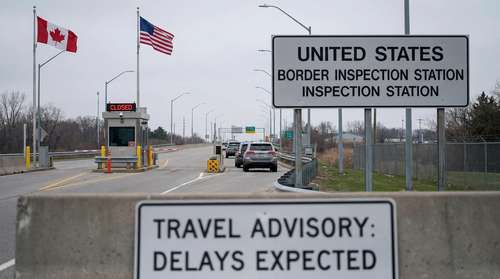
If you are booked to fly anywhere near the affected regions, or even on routes that typically connect through Gulf hubs, immediate action and patience are required. Every major carrier recommends checking the latest airline travel advisory 2026 updates, urging passengers not to head to the airport unless their flight is explicitly confirmed. Customer service centers and travel agencies are completely overwhelmed, with wait times for assistance stretching into the tens of hours.
For those caught in the crossfire of this logistical collapse, local authorities are stepping in to help mitigate the fallout. Governments in heavily impacted transit nations have introduced emergency protocols, including a temporary stranded traveler visa extension for tourists whose legal stay might expire while they wait for a flight home. If your visa is nearing its limit, contact the local embassy or immigration authority immediately to secure this extension and avoid legal complications. Do not wait until the day of expiration to file the paperwork.
Protecting Your Itinerary and Wallet
Consumer rights advocates and travel experts strongly advise holding off on voluntary cancellations. If you cancel your trip proactively out of fear, you may forfeit your right to a full refund or rebooking under current airline waivers. Wait for the airline to officially cancel your leg of the journey, which triggers legal consumer protections. In the meantime, review your travel insurance policy thoroughly to understand your specific coverage limits for severe delays, unexpected accommodation costs, and emergency rebooking fees.
As diplomatic efforts continue, the timeline for normalizing global airspace remains completely unknown. For now, the travel industry and its millions of passengers must brace for weeks—if not months—of reduced capacity, sky-high fares, and hyper-vigilant operational planning.