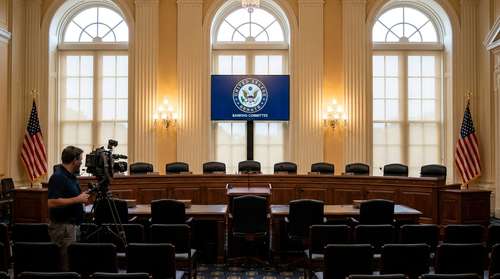
JPMorgan Chase CEO Jamie Dimon issued a stark warning on Tuesday, April 7, 2026, stating that the escalating conflict with Iran could trigger a massive inflationary shock and force borrowing costs significantly higher. In his widely circulated 48-page annual shareholder letter, the veteran executive outlined how the current geopolitical environment poses severe risks to the global economy. As the blockade of the Strait of Hormuz continues, the Jamie Dimon JPMorgan chief cautioned that businesses must prepare for a perfect storm of soaring energy prices and massive supply chain disruptions. As the head of the largest bank in the United States, Dimon's macroeconomic assessments are closely monitored by global markets, corporate executives, and policymakers alike.
The Catalyst for a Global Inflation Surge
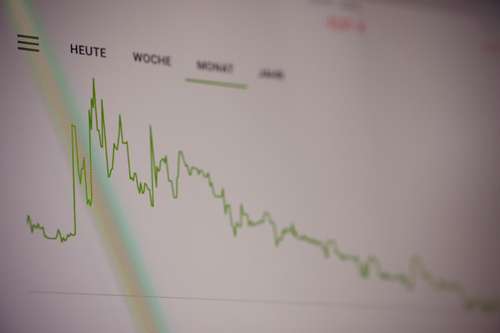
The immediate flashpoint centers on the critical maritime chokepoints in the Middle East. Oil markets are flashing severe warning signs as crude oil price hikes accelerate at an alarming pace. Brent crude spiked above $111 a barrel, and West Texas Intermediate surged past $112 following direct threats from U.S. President Donald Trump to strike Iranian power plants and bridges if the Strait of Hormuz is not reopened by a Tuesday night deadline.
Nearly 20 percent of global oil distribution passes through this narrow waterway. With Iran imposing astronomical transit tolls on the few vessels it allows to pass and physically blocking others, the logistics of global energy have been thrown into chaos. Analysts project that nearly 1 billion barrels of oil could be lost by the end of the month if the blockade holds. These rapid energy cost increases act as a regressive, unavoidable tax on both consumer wallets and corporate operations. Dimon highlighted that this localized military standoff threatens to deliver a massive supply-side shock. If millions of barrels of oil remain locked out of the global market, it will inevitably unleash a global inflation surge that central banks will struggle to contain without causing substantial economic damage.
Erasing the Rate Cut Hopes
Higher energy costs immediately complicate Federal Reserve monetary policy. With fuel driving up production and transport expenses across virtually every sector, inflation is widely expected to become deeply entrenched. Dimon vividly described this sticky, persistent inflation as the 'skunk at the party' that could effortlessly ruin current economic stability.
Consequently, the interest rate forecast 2026 has completely inverted. Financial markets, which entered the year anticipating aggressive and steady rate cuts, are now largely ruling them out entirely. Investors are waking up to the harsh reality that borrowing costs could remain elevated indefinitely. This high-rate environment makes raising capital exponentially more expensive for mid-sized firms, drastically alters real estate lending models, and forces consumers to stomach brutal credit card and mortgage rates for the foreseeable future.
Assessing the Geopolitical Risk to Business
Navigating geopolitical risk business environments has rarely been more complex or demanding. Dimon emphasized that the Iran conflict economic impact is not occurring in a vacuum. It directly compounds ongoing friction from the war in Ukraine and simmering, long-term trade tensions with China. Companies are being forced to aggressively reshape their global supply chains to build necessary operational redundancy.
This costly industrial restructuring, combined with expensive capital, will likely squeeze corporate profit margins and throttle future capital expenditures. Underscoring this mounting anxiety, the S&P 500 recently closed its worst-performing quarter since 2022, signaling that equity markets are actively pricing in these compounding, multi-front threats. Moving supply chains out of conflict zones inherently costs more money, and those costs are inevitably passed down to the end consumer, further cementing the inflationary cycle.
Preparing for an Uncertain Economic Order
Despite the ominous warnings, Dimon noted that the underlying U.S. economy remains surprisingly resilient, supported by robust consumer spending and historic government deficit spending. However, he heavily cautioned that domestic fiscal stimulus cannot act as a permanent shield against macro-level commodity shocks. In addition to his macroeconomic warnings, Dimon used his platform to advocate for sweeping regulatory reforms to boost domestic growth, arguing that excessive 'blue tape' stifles American economic dynamism.
Corporate leaders and policymakers alike must acknowledge that the era of cheap energy and easy money may be definitively over. As the Tuesday deadline looms over the Persian Gulf, the global financial sector watches with bated breath. Wall Street is acutely aware that the next military and diplomatic moves in the Middle East will dictate the trajectory of global markets for years to come.