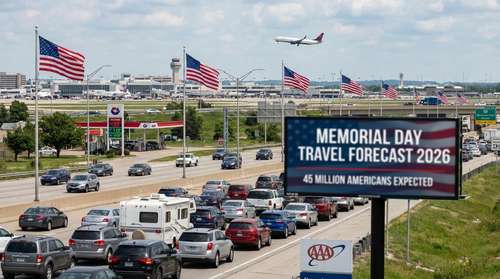
The unofficial start to summer is shaping up to be historically busy. According to the freshly released Memorial Day travel forecast 2026 from AAA, an unprecedented 45 million Americans are preparing to venture 50 miles or more from home between Thursday, May 21, and Monday, May 25. This surge sets a brand-new high-water mark for the holiday weekend, edging past last year's figures and signaling that consumer wanderlust easily outweighs the sting of inflation at the pump.
Unpacking the AAA Travel Projections
In the highly anticipated AAA travel report May 2026, experts break down a travel landscape that looks radically different from just a few years ago. Total volume is up across the board, setting the stage for what many industry analysts are calling a harbinger of record summer travel 2026. Driving the charge is a massive wave of road trippers, though airports and cruise terminals will also see their fair share of foot traffic.
Specifically, the organization anticipates 39.1 million travelers will drive to their holiday destinations. Another 3.66 million will navigate the skies, while 2.2 million have booked tickets on buses, trains, or cruise ships. The latter category represents a notable 5% jump, heavily fueled by the kickoff of the highly popular Alaska cruise season.
Demand Outpaces Economic Friction
Stacey Barber, Vice President of AAA Travel, addressed the seemingly unstoppable momentum of holiday getaways. She pointed out that while costs in certain sectors have risen, Americans are steadfast in prioritizing leisure trips and three-day weekends over cutting back. This resilient consumer behavior is a defining element of US travel trends 2026.
Road Trips Dominate Despite Surging Memorial Day Gas Prices
If you are planning to load up the trunk, you will have plenty of company on the interstate. Automobile travel makes up a staggering 87% of the entire holiday share. However, those 39.1 million drivers are facing a grim reality at the fuel pump.
Memorial Day gas prices are currently sitting at their highest levels since the summer of 2022. Early this week, the national average for a gallon of regular unleaded spiked to $4.52. To put that economic pinch into perspective, motorists were paying an average of just $3.17 per gallon during the same holiday weekend last year. Global market instability and recent geopolitical conflicts have squeezed oil supplies. Specifically, blockades affecting the Strait of Hormuz—a crucial artery for global oil transport—have created a ripple effect, forcing everyday Americans to budget more strictly for their highway journeys.
Because of the sheer volume of vehicles on the road, AAA is actively urging drivers to ensure their cars are road-ready before leaving the driveway. Simple maintenance checks like inspecting tire pressure, topping off engine fluids, and testing battery health can prevent a vacation-ruining breakdown. Last year, the organization responded to over 350,000 emergency roadside calls during the holiday alone, primarily dealing with flat tires, dead batteries, and empty fuel tanks.
For those opting not to use their personal vehicles, rental car demand is skyrocketing. AAA partner Hertz anticipates that Thursday and Friday will be the busiest days for picking up reservations. Major hubs like Orlando, Las Vegas, Los Angeles, Denver, and Boston are seeing the tightest rental inventory.
Finding the Cheapest Flights Memorial Day Has to Offer
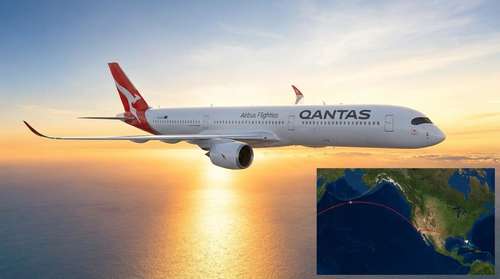
While the highways will test drivers' patience and wallets, air travelers are experiencing a rare bright spot. Despite overall inflation, average ticket prices have actually softened for early planners. Based on AAA booking data, roundtrip domestic flights for the long weekend are hovering around $800. This represents a 6% drop compared to the previous year.
Securing the cheapest flights Memorial Day weekend had available required booking weeks, if not months, in advance. Those who locked in their itineraries early shielded themselves from the last-minute fare hikes typical of late May. Airlines have adjusted their capacity slightly to accommodate the surge, but the estimated 3.66 million fliers will still need to contend with crowded TSA checkpoints and packed departure gates. Industry experts suggest arriving at the airport at least two hours early for domestic flights and packing extreme patience as parking lots reach capacity quickly.
Top Destinations and Traffic Bottlenecks
Where exactly are 45 million people going? The booking data paints a clear picture of domestic sun-seeking and international bucket-list trips. Stateside, warm-weather staples and major entertainment hubs rule the itinerary. Orlando takes the top spot, followed closely by Seattle, New York, Las Vegas, and Miami. On the international front, European capitals are dominating, with Rome ranking as the number one overseas destination, trailing only slightly behind Vancouver, Paris, London, and Athens.
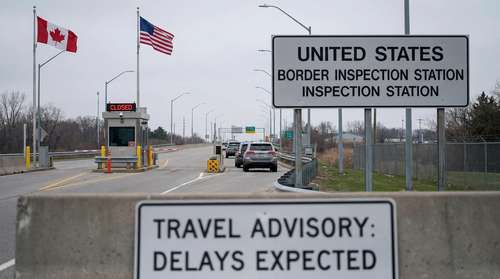
If you want to avoid the worst of the bumper-to-bumper gridlock, timing your departure is crucial. Transportation analytics firm INRIX warns that the absolute heaviest road congestion will materialize on Thursday and Friday afternoons as commuters mix with early vacationers. A secondary bottleneck will form on Monday afternoon during the mass return home. Analysts recommend traveling on Sunday, which consistently shows the lightest traffic volume of the entire five-day stretch. If you must travel on peak days, hitting the road early in the morning or late in the evening can drastically reduce your time spent staring at taillights.