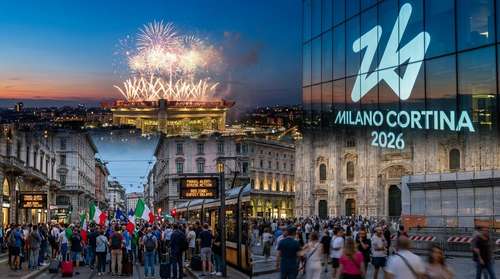
The wait is over. The 2026 Winter Olympics officially kick off tonight at Milan's San Siro Stadium, marking the start of what organizers are calling the most geographically dispersed Games in history. As the Opening Ceremony begins at 8:00 PM CET, the atmosphere in Northern Italy is electric—but for the estimated two million visitors descending on the region, the excitement is tempered by a complex web of logistical challenges. From record-breaking hotel rates in the Dolomites to "Red Zone" security checkpoints in Milan, travelers are navigating a high-stakes obstacle course to witness the return of the Winter Games to Italy.
Opening Ceremony: San Siro Takes Center Stage
For the first time in Winter Games history, the opening festivities are taking place in a football stadium rather than an alpine venue. The Stadio Giuseppe Meazza (San Siro) will host the "Armonia" (Harmony) themed ceremony, with gates opening at 4:00 PM today. While the event promises spectacle, the logistics are tight. Attendees must arrive by 6:30 PM for the pre-show, and security protocols are strict.
Organizers have implemented a rigid "digital-only" ticketing system via the Milano Cortina 2026 app, and re-entry is strictly prohibited. If you are heading to the stadium tonight, anticipate significant delays at the Piazzale Angelo Moratti entrance, where security screenings are expected to take up to 30 minutes. The city has extended public transport hours until 2:00 AM, but with road closures effectively sealing off the district to private cars, the subway (Lines M1 and M5) remains the only viable option for most.
Travel Alerts: Strikes and "Red Zones"
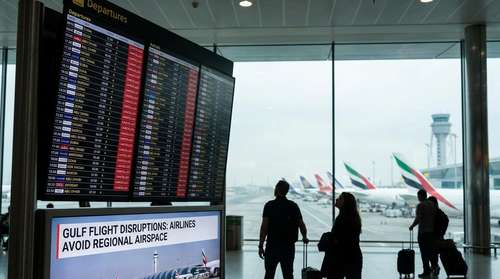
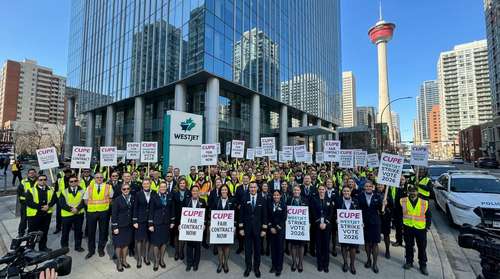
Getting to the Games is proving to be as much of an endurance event as the competitions themselves. Just days after a 23-hour strike by Trenord rail workers paralyzed regional transport, travelers face new disruptions. A strike by port workers is currently active today, February 6, complicating logistics for those arriving by sea or managing freight. More concerning for the coming weeks are the planned aviation strikes, including a walkout by ground staff at Milan's airports tentatively scheduled for mid-February.
On the ground, Milan has activated five high-security "Red Zones" (Zone Rosse) that will remain in force until February 22. These perimeters, encircling key sites like the Olympic Village in Porta Romana and the Fiera Milano Rho, are off-limits to unauthorized vehicles. Residents and logistics providers need special digital passes to enter, and police are conducting spot checks. If you are driving, avoid these sectors entirely or risk hefty fines and immediate expulsion under the city's Daspo urbano code.
Border Controls Intensify
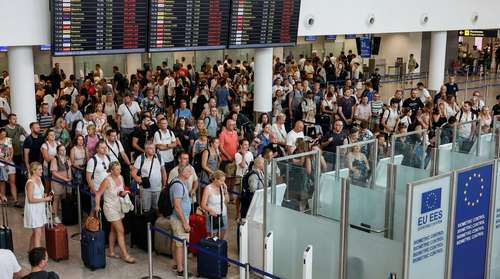
Travelers crossing into Italy from Switzerland, Austria, and France should also budget extra time. The Italian Interior Ministry has temporarily intensified border controls, with spot passport checks now in effect for Schengen area passengers. The A4 and Brenner motorway corridors—vital arteries for moving between Milan and the mountain venues—are seeing increased commercial vehicle inspections, slowing traffic significantly.
The "Dispersed" Games: A Logistical Puzzle
Unlike previous compact Olympics, Milano Cortina 2026 is spread across 22,000 square kilometers. There is no single Olympic Village; instead, athletes and fans are scattered across six different hubs. This fragmentation has created a unique "transportation nightmare" for spectators hoping to catch multiple events. Traveling from the ice rinks of Milan to the ski slopes of Cortina d'Ampezzo can take upwards of five hours by road.
The situation in the mountains is particularly acute. In Cortina, where cable car upgrades faced delays, local authorities have taken the drastic step of closing schools to free up buses and road capacity for the Games. The lack of a high-speed Olympic train link to the Dolomites means reliance on a patchwork of regional trains and shuttle buses, many of which are already operating at capacity.
Tourism Surge: The Cost of Gold
The influx of visitors has sent hospitality prices into the stratosphere, particularly in the mountain resorts. Data reveals that hotel rates in Cortina d'Ampezzo have surged by nearly 90% year-on-year, with five-star accommodations commanding up to €2,600 per night. Occupancy is hovering near 100% for the marquee alpine skiing weeks.
Interestingly, Milan offers a paradoxical "value" option. While luxury rates have jumped over 60%, the sheer volume of hotel stock in the city has kept mid-range prices somewhat grounded compared to the scarcity-driven market in the Dolomites. However, the short-term rental market tells a different story: Airbnb and apartment bookings across the region have seen demand spike by 171%, as families look for alternatives to sold-out hotels.
High-Tech Security and Cyber Risks
Security is visible and heavy-handed. The newly inaugurated International Olympic Operations Room (SOIO) in Rome is coordinating a force of 6,000 extra officers, including elite snipers and bomb-disposal units. For the first time, U.S. Immigration and Customs Enforcement (ICE) agents are on the ground assisting with diplomatic security, a move that has sparked minor protests in Milan but underscores the high threat level.
The threat isn't just physical. Italy's National Cybersecurity Agency recently blocked a series of attacks targeting Olympic infrastructure and hotels in Cortina, attributing them to hostile state actors. Travelers are advised to be hyper-vigilant with digital data; avoid using public Wi-Fi at venues without a VPN, as "nuisance attacks" aiming to disrupt ticketing and transport apps are considered a high probability.