International energy markets are in a state of unprecedented turmoil, driven by a catastrophic collision of geopolitical conflict and economic fragility. The dramatic oil price surge 2026 has seen crude benchmark costs skyrocket by over $14 per barrel in a matter of days. Triggered by a sudden Strait of Hormuz closure amidst escalating Middle East tensions, this massive supply disruption is shaking the foundations of international trade. Compounding this crisis is an unexpected US jobs market contraction of 92,000 positions in February. Together, these dual shocks have ignited severe global stagflation fears across major financial centers, leaving policymakers scrambling for answers.
Strait of Hormuz Closure Triggers Historic Supply Shock
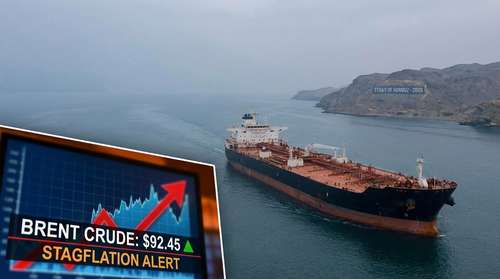
At the heart of this economic earthquake is the effective blockade of the world's most critical maritime chokepoint. Following the outbreak of intense military action in late February 2026, retaliatory strikes heavily targeted Gulf energy infrastructure. The immediate consequence has been a complete halt to tanker traffic, stranding millions of barrels of crude and leaving global supply chains gasping for relief.
This narrow waterway normally facilitates the transit of approximately 20% of global oil supplies and a significant volume of liquefied natural gas. With major shipping firms suspending operations and insurers pulling war-risk coverage, the supply shock has been instantaneous. Assessing the Brent crude price today, the international benchmark blasted past the $90 threshold, settling near $92.69 and briefly touching a multi-year high above $94. Energy analysts have warned that if tanker flows are not restored, prices could easily shatter the $100-per-barrel mark, creating a ripple effect that will touch every corner of the global economy.
US Jobs Market Contraction Deepens the Crisis
While energy markets burned, economic data delivered a secondary blow. The Bureau of Labor Statistics revealed a surprising labor downturn, with the economy shedding 92,000 jobs in February 2026. This stark reversal pushed the national unemployment rate up to 4.4%, entirely erasing the modest gains seen at the start of the year.
The job losses were broad-based and alarming. The healthcare sector, which had previously propped up employment figures, shed 28,000 jobs, exacerbated by major labor strikes involving thousands of medical professionals. Construction lost 11,000 positions, while leisure and hospitality also saw significant declines. For a labor market that appeared to be stabilizing, this sudden drop signals profound underlying vulnerabilities. When a weakening labor force collides with skyrocketing commodity prices, the economic buffer rapidly disintegrates, leaving ordinary consumers bearing the brunt of the impact.
The Energy Crisis Inflation Impact
The convergence of job losses and soaring fuel costs is creating a nightmare scenario for central banks worldwide. Spiking crude directly translates to a severe energy crisis inflation impact. Higher transportation and manufacturing costs will inevitably be passed down to consumers at the grocery store and the gas pump. Policymakers find their hands tied: cutting interest rates to save the jobs market could accelerate inflation, but holding rates high risks plunging a fragile economy into a deep recession.
Igniting Global Stagflation Fears
This exact paradox is what has triggered widespread stagflation anxiety. Stagflation, a toxic economic phenomenon characterized by stagnating growth, high unemployment, and rampant inflation, has not been seen on this scale since the 1970s oil embargo. The current landscape bears striking similarities. Retail sales already show signs of consumer fatigue, and the newly elevated oil premiums are acting as a massive tax on households globally.
Market research estimates that a prolonged shutdown of the Strait could add a persistent risk premium of up to $15 per barrel, effectively cementing inflationary pressures for the remainder of the year. If the situation drags on without a diplomatic or military resolution, European and Asian markets, which heavily rely on Middle Eastern imports, face an almost certain recessionary spiral.
Geopolitical Stock Market Crash
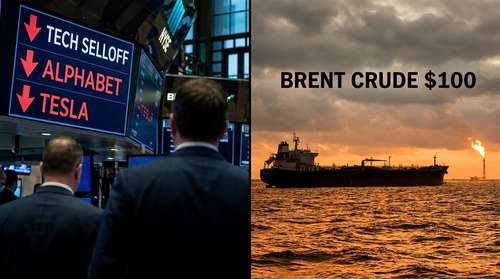
The financial sector has reacted with predictable panic, resulting in a geopolitical stock market crash that capped Wall Street's worst week since last autumn. The Dow Jones Industrial Average plummeted significantly following the jobs report, while the S&P 500 and Nasdaq suffered parallel steep declines. Investors are aggressively dumping equities in favor of safe-haven assets, terrified that the combination of shrinking corporate margins and squeezed consumer wallets will devastate quarterly earnings.
As the world watches the Middle East, the reality is stark. Navigating the rest of 2026 will require immense agility from both retail investors and institutional funds alike. The fallout serves as a grim warning that macroeconomic stability is heavily dependent on international diplomacy. For now, the global economy remains held hostage by a 21-mile-wide stretch of water. With every delayed vessel and every lost job, the needle pushes closer to a full-blown macroeconomic crisis, cementing this period as one of the most volatile energy transitions in modern history.