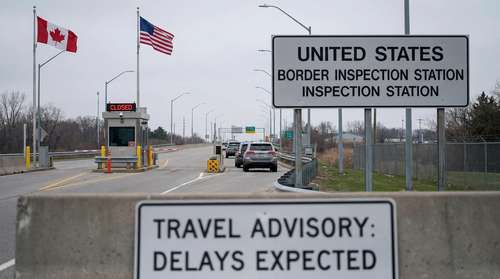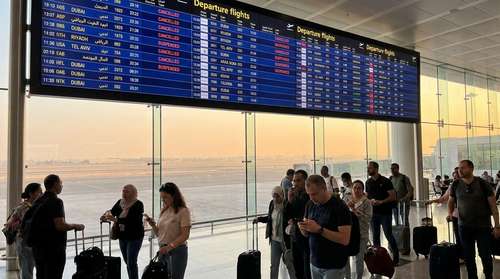
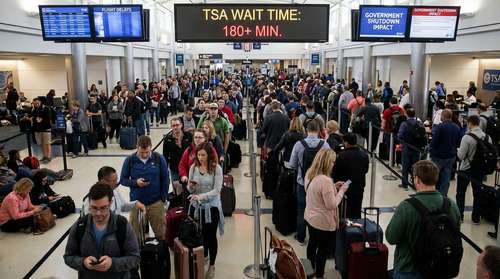
The peak vacation season has officially collided with Washington politics, creating a perfect storm for millions of Americans across the country. What should be a relaxing getaway has rapidly morphed into a grueling test of endurance as the 2026 government shutdown severely paralyzes operations at major commercial transit hubs. Driven by a targeted and ongoing DHS funding lapse, critical staffing shortages have triggered record-breaking TSA wait times, forcing travelers to endure lines stretching out of terminal doors and onto the sidewalks. With the crisis showing no signs of easing in the immediate future, passengers are facing unprecedented Spring Break travel delays that are ruining highly anticipated vacations before they even begin.
The Root of U.S. Airport Chaos 2026: A DHS Funding Stalemate
The foundation of this nationwide logistical nightmare traces back to February 14, 2026, when funding for the Department of Homeland Security officially expired. While the vast majority of federal departments—representing nearly 97% of the government—remain fully operational, this localized standoff has uniquely isolated the DHS and its subsidiary agencies. Consequently, roughly 95% of Transportation Security Administration personnel, who are deemed essential workers, have been forced to secure the nation's airports without pay for nearly a month.
As the mid-March deadline for their first completely missed paychecks arrives, the severe financial strain on these frontline workers has reached a breaking point. Unscheduled absences have skyrocketed as agents reportedly call out sick to manage personal economic hardships, search for secondary income, or simply protest the unpaid labor conditions. This drastic reduction in available personnel means fewer open airport security lines at checkpoints, directly fueling the U.S. airport chaos 2026 is now globally known for.
Three-Hour Delays and Widespread Missed Flights Today
The fallout from the congressional stalemate is hitting some of America's busiest transit centers the hardest during this high-volume travel week. Over the past 48 hours, the situation has rapidly deteriorated, turning routine passenger screening into an agonizing bottleneck.
Travelers departing from Houston's William P. Hobby Airport and George Bush Intercontinental have reported queue times extending beyond three hours. Similar scenes of severe congestion are playing out at Hartsfield-Jackson Atlanta International Airport, Louis Armstrong New Orleans International Airport, and major northern hubs like Chicago's O'Hare and Midway. New Orleans officials specifically warned flyers that these massive backups are likely to persist throughout the remainder of the week.
For passengers who arrived with standard two-hour buffers, the backlog has been devastating. Thousands of frustrated travelers have documented their missed flights today across social media platforms, watching helplessly from the TSA queues as their planes push back from the gate without them.
Expedited Screening Isn't a Guaranteed Lifeline
Frequent flyers hoping to bypass the madness using trusted traveler programs are also hitting unexpected roadblocks. Following a brief and highly controversial suspension of Global Entry and TSA PreCheck by the DHS in late February, the programs were technically reinstated. However, localized staffing shortages have forced several airports to intermittently close their PreCheck and CLEAR+ lanes to consolidate their remaining workforce. Passengers who normally breeze through security in five minutes are now being diverted into standard lines, further compounding the TSA wait times and mounting frustration.
The Political Gridlock Behind the Crisis
The root cause of the current DHS shutdown is a bitter congressional dispute over federal immigration enforcement. Lawmakers remain deeply entrenched in their respective partisan positions regarding reforms for Immigration and Customs Enforcement (ICE) and Customs and Border Protection (CBP).
The political rhetoric has only intensified as the travel disruption worsens. Lauren Bis, a DHS deputy assistant secretary, recently issued a statement highlighting the "severe fallout" of the shutdown, pointing directly to the three-hour TSA wait times at major airports. Meanwhile, members of the Republican Study Committee have accused Democrats of stonewalling vital security funding during a period of heightened international threats, while Democratic leaders insist that comprehensive operational reforms must be tied to any new appropriation bills. While Washington trades blame, everyday citizens are left paying the logistical price.
Navigating the Gridlock: Expert Advice for Travelers
With negotiations remaining stalled and no immediate legislative resolution in sight, the near future looks incredibly challenging for anyone holding a boarding pass. If you are flying during this volatile window, your standard airport routine must be completely rewritten.
Aviation authorities and local airport officials are universally urging passengers to arrive a minimum of three to four hours before their scheduled departure. Travelers should continuously monitor official resources for real-time TSA wait times before leaving for the terminal. Furthermore, packing light and adhering strictly to carry-on liquid limits can help prevent secondary bag checks, which are currently taking significantly longer to process due to the heavily reduced workforce.
Until lawmakers can bridge the divide and restore full DHS funding, Americans taking to the skies must prepare for the reality that their journey will require far more time, stamina, and patience than ever before.