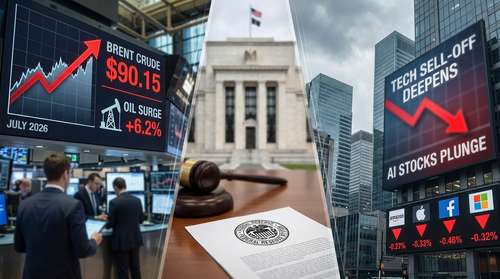
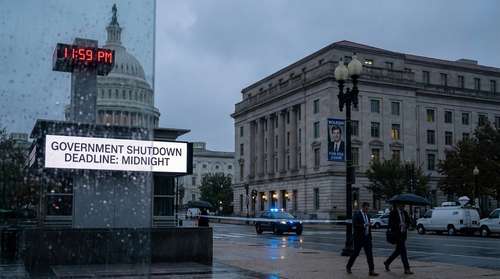
Washington is bracing for a seismic double shock this Friday as the United States hurtles toward a midnight government shutdown deadline while markets nervously await President Trump’s imminent nomination of the next Federal Reserve Chair. With the clock ticking down to the fiscal cliff, the convergence of a legislative stalemate and a potential monetary regime change has sent tremors through Wall Street, capping a volatile week for the US economic outlook 2026.
Midnight Deadline: Washington on the Brink
As of Friday morning, January 30, 2026, Congress remains deadlocked over a spending deal to keep the federal government open past midnight. Federal funding for critical agencies—including the Departments of Defense, Homeland Security, and Transportation—is set to expire at 12:00 AM ET unless a last-minute continuing resolution (CR) is passed.
The Washington budget standoff has intensified in the last 48 hours. House Republicans and the White House are digging in against Democratic demands for $1.5 trillion in new spending, which administration officials have characterized as "fiscal hostage-taking." Meanwhile, opposition leaders argue that the administration’s proposed cuts to social programs are non-starters.
If lawmakers fail to bridge the divide, the US faces a partial shutdown that would furlough thousands of federal workers and halt non-essential services. “The gap between the two sides is significant, and time is the one luxury we no longer have,” said a senior aide on the Senate Appropriations Committee early Friday.
Trump’s Fed Shake-up: The Warsh Factor
Compounding the uncertainty is the widespread expectation that President Trump will announce Kevin Warsh as Federal Reserve Chair later today. Warsh, a former Fed Governor and longtime critic of the central bank’s recent policies, has emerged as the clear frontrunner to succeed Jerome Powell, whose term expires in May 2026.
Prediction markets have swung heavily in Warsh’s favor, with odds surging to 95% overnight. A nomination of Warsh would signal a dramatic pivot in monetary policy. Known for his hawkish views on inflation and skepticism of the Fed’s massive balance sheet, Warsh has advocated for what he calls “regime change” at the central bank.
“Kevin Warsh is not a status quo candidate,” notes market volatility today analyst Sarah Jenkins. “His appointment would suggest a move toward aggressive balance sheet reduction, something Treasury Secretary Scott Bessent has also supported. The question for investors is whether Warsh will maintain his hawkish instincts or align with President Trump’s preference for lower interest rates.”
The End of the Powell Era
The nomination would officially mark the beginning of the end for Jerome Powell’s tenure. Despite navigating the post-pandemic inflation surge, Powell has frequently clashed with the President over the pace of rate cuts. The transition to a Warsh-led Fed in 2026 could bring a more interventionist approach to banking regulation and a distinct shift in communication style with Wall Street.
Markets React: Volatility and the Dollar
The twin threats of a US government shutdown 2026 and a Fed leadership shake-up have triggered a risk-off sentiment across global markets. The Dow Jones Industrial Average futures dipped 200 points in pre-market trading, while the US dollar index edged higher as investors sought safe-haven assets.
Bond markets are particularly sensitive to today’s news. The prospect of a government shutdown—historically a temporary drag on GDP—combined with Warsh’s reputation for “sound money” has created a complex environment for Treasury yields. Investors are betting that a Warsh nomination might strengthen the dollar in the short term, even as the budget chaos threatens to dent consumer confidence.
Economic Outlook: What to Watch This Weekend
As the federal budget deadline midnight approaches, all eyes are on Capitol Hill and the White House. A shutdown would immediately disrupt data collection for key economic indicators, potentially blinding the Fed and investors during a critical policy transition.
If a deal is not reached, the economic impact will depend on the duration of the closure. While historical precedents suggest markets can shrug off short shutdowns, the combination of fiscal paralysis and a new Federal Reserve doctrine creates a unique scenario for the US economic outlook 2026. For now, Washington remains on a razor's edge, with the next 12 hours poised to shape the economic narrative for the coming year.