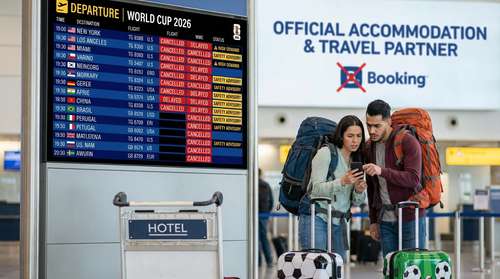
As the final countdown to the largest sporting event in history begins, the reality of attending matches in the United States is setting in for global supporters. Instead of a guaranteed economic windfall, host cities are grappling with an unexpected crisis. Driven by astronomical 2026 World Cup travel costs and escalating anxieties over border policies, a growing wave of international fans is choosing to stay home. This sudden shift has triggered a concerning wave of FIFA World Cup hotel cancellations and the quiet scaling back of local fan festivals just months before kickoff.
World Cup 2026 Host City Prices Hit a Breaking Point
For the average soccer enthusiast, navigating the financial barriers of this North American tournament has become an insurmountable challenge. Recent data from the U.S. Travel Association reveals that international visitors are projected to spend upward of $5,000 per person—nearly double the cost of a typical overseas trip to the United States. However, the true shock lies in the lodging sector, where dynamic pricing has completely detached from standard market value.
In the Dallas suburb of Arlington, which is slated to host nine matches at AT&T Stadium, standard hotel rooms that typically cost $100 have skyrocketed to $1,400 per night for match days. Similarly, Boston has emerged as the most cost-prohibitive destination of the entire tournament. Estimates suggest a brief stay in the Massachusetts capital—factoring in two nights of accommodation, round-trip airfare, transit, and median secondary-market ticket prices—will drain roughly $8,900 from a traveler's wallet. This aggressive price gouging has forced international guests to aggressively rethink their itineraries, severely impacting international soccer travel US forecasts.
The Ripple Effect of Lodging Surcharges
The aggressive inflation of World Cup 2026 host city prices isn't just an inconvenience; it is actively reshaping consumer behavior across the globe. Frustrated by mandatory multi-night minimums and non-refundable deposits, many global supporters are either drastically shortening their stays or abandoning their U.S. plans entirely in favor of cheaper alternatives in Mexico. Consequently, hospitality experts are warning of a potential USA tourism slowdown 2026, as the anticipated influx of long-term international visitors fails to materialize at the expected volume.
Mounting World Cup Fan Safety Concerns
Financial barriers are only one side of the coin. An undercurrent of apprehension regarding security, civil unrest, and border enforcement is equally responsible for dampening enthusiasm. A recent comprehensive survey published by Upgraded Points found that a staggering 59% of international soccer fans feel unsafe traveling to the U.S. right now for a major sporting event. Furthermore, over a quarter of those respondents stated they would feel "very unsafe" navigating American urban centers.
These World Cup fan safety concerns are deeply tied to geopolitical tensions and domestic enforcement strategies. With reports circulating about potential U.S. Immigration and Customs Enforcement (ICE) presence in major host hubs like Dallas, Houston, and Miami, international human rights groups have raised severe red flags. Approximately 66% of surveyed international fans admitted that recent immigration-related rhetoric and border control uncertainties have made them highly hesitant to enter the country. For many travelers from participating nations, the fear of intrusive surveillance, strict visa delays, and racial profiling outweighs the thrill of the beautiful game.
How Geopolitics is Shaping International Soccer Travel
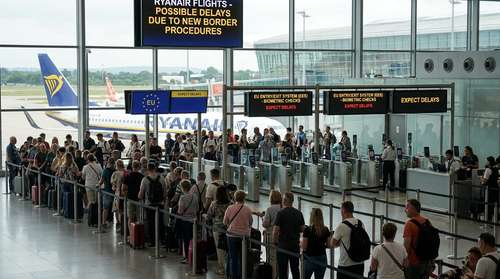
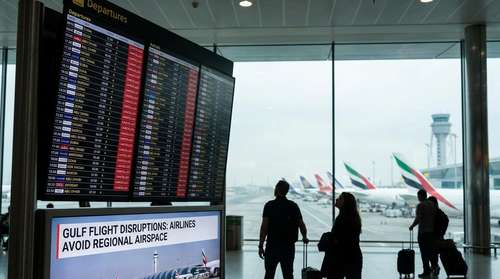
Adding fuel to the fire, global geopolitical conflicts have severely disrupted international aviation routes. With restricted airspace in the Middle East due to ongoing conflicts, fans traveling from Asia and Africa face massive logistical hurdles. Aviation experts project an additional 30% surge in international airfare simply due to fuel costs and rerouted flight paths. When combined with America's complex entry requirements, the logistical nightmare becomes too massive for the average supporter to justify.
In fact, nearly half of non-U.S. fans recently surveyed indicated that the United States hosting the tournament makes them less excited overall, with 37% stating they would be far less likely to attend a tournament here compared to other host nations. This perception problem highlights a broader issue: the U.S. is increasingly viewed by international tourists as unwelcoming and exceedingly difficult to navigate.
FIFA 26 Tourism Impact: A Warning Sign for Mega-Events
The combination of extreme financial barriers and security anxieties is producing a sobering reality check for local municipalities. Initially projected to be the most commercially powerful sporting event ever staged in North America, the FIFA 26 tourism impact is currently flashing warning signs. We are already witnessing early cracks in the foundation, evidenced by the quiet downsizing of peripheral fan zones and cultural exhibitions in several major metro areas that previously anticipated millions in surplus revenue.
Tourism boards that banked on massive, uninterrupted capital injections are now scrambling to pivot their messaging to attract domestic travelers. While domestic demand remains relatively strong, the absence of high-spending international crowds threatens the promised economic multiplier effect that justified the massive civic investments in stadium upgrades. The hospitality sector, once confident in sustained maximum occupancy, must now reckon with the very real threat of vacant rooms resulting from early overpricing and FIFA World Cup hotel cancellations.
Ultimately, the upcoming tournament serves as a real-time test of how border policies, exorbitant pricing, and global geopolitics influence mega-event travel. If the United States hopes to salvage the inclusive international spirit of the games, host cities must urgently address these dual crises of affordability and hospitality before the summer arrives.