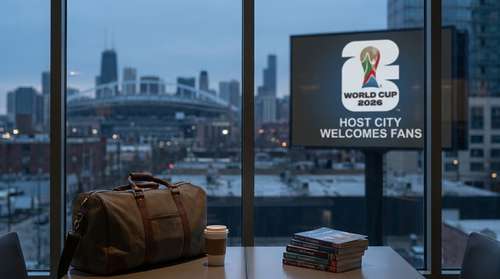
With the opening match slated for June 11, the reality of 2026 FIFA World Cup travel is taking an unexpected and highly publicized turn. While tournament organizers are celebrating record-breaking ticket sales across North America, major U.S. hospitality markets are facing a sobering reality check. Instead of turning desperate fans away at the door, several high-profile locations are staring down a sudden hotel booking slump just weeks before kickoff.
The Disconnect for World Cup Host City Hotels
When the tournament match schedule was finalized in December, hospitality groups braced for a tsunami of global demand. Properties initially priced their rooms for a once-in-a-generation event, frequently doubling or tripling standard summer rates. However, recent data from travel analytics firms reveals a massive market correction is currently underway. World Cup host city hotels in key markets like New York, Boston, and San Francisco are reporting surprisingly underwhelming occupancy numbers, forcing managers to rapidly drop prices from their aggressive winter peaks.
For instance, fans attending matches at MetLife Stadium in New Jersey were initially expected to flood Manhattan's luxury hotels. Instead, many are prioritizing convenience and cost, seeking immediate stadium proximity or skipping traditional hotels entirely. The issue is clearly not a lack of interest in the sport itself, as the stadiums will absolutely be packed. Rather, industry analysts point to a dramatic shift in how spectators are planning their logistics. Driven by severe sticker shock, fans are actively resisting inflated nightly rates, a shift that has fundamentally altered U.S. tourism trends 2026.
How USA Travel Visa Requirements 2026 Stifled Early Demand
A primary culprit behind the missing international demographic is red tape. Navigating USA travel visa requirements 2026 has proven exceptionally difficult for fans from crucial footballing nations. Wait times for visitor visas in some countries stretched out for months—or even years—leaving prospective travelers completely unable to confidently book non-refundable lodging.
The U.S. Travel Association has spent the past year warning federal agencies about these exact bottlenecks. Just this week, the administration announced a targeted suspension of certain visa bond requirements—which ranged up to $15,000—for verified ticket holders from specific countries. While hospitality experts and travel advocates welcomed the relief, many worry the intervention arrived too late. Thousands of overseas supporters had already abandoned their plans for month-long stays, opting instead for quick, surgical strikes into the country or deciding to watch the action from home.
Beyond the visa wait times, travelers have expressed intense anxiety regarding border processing. The American Hotel & Lodging Association recently highlighted fears over increased entry fees and uncertainty surrounding customs clearances at major airports. Even with recent commitments to fund additional U.S. Customs and Border Protection officers, the perception of an unwelcoming or chaotic entry process has done undeniable damage to early booking momentum.
The Impact on FIFA World Cup Visitor Spending
This demographic shift carries heavy economic implications for local municipalities. Extended international soccer fan travel typically drives massive revenue for local restaurants, transit systems, and retail districts. Initial industry projections boasted an estimated $100 billion in total economic impact across North America. However, with international visitors trimming their itineraries or being replaced by regional day-trippers, actual FIFA World Cup visitor spending is highly likely to fall short of those lofty expectations in several key districts.
Alternative Stays and World Cup Flight Availability
Those who are making the international trek are increasingly abandoning traditional lodging formats. Large groups of supporters are pivoting aggressively to short-term private rentals. Renting a massive multi-bedroom home in the suburbs of Dallas or Atlanta provides better value, shared living spaces, and full kitchen access. For groups trying to stretch their budgets across a multi-week tournament, dodging hotel restaurant prices is a strategic necessity.
Furthermore, unpredictable World Cup flight availability has reshaped fan mobility. Airlines are operating near maximum capacity, and the logistics of transporting millions of fans between remote hubs like Seattle, Miami, and Toronto are proving incredibly complex. The resulting premium on domestic airfare means that money previously earmarked for luxury hotel suites is now being diverted simply to secure a middle seat on a cross-country flight. Instead of following their national team across the continent, supporters are setting up single basecamps or significantly shortening their trips to align with guaranteed direct routes.
A Silver Lining for Domestic Travelers
While the international booking slump is giving hoteliers heartburn, it presents a massive, unexpected opportunity for domestic fans who were previously priced out of the tournament. With properties actively lowering rates to fill their remaining inventory before mid-June, last-minute 2026 FIFA World Cup travel is suddenly viable for American road-trippers.
Markets that initially felt untouchable are quietly running aggressive promotions. If you possess a match ticket but hesitated on securing a bed, the next two weeks offer prime negotiating power. The mega-event pricing bubble has popped, returning the summer travel market to a state where flexibility and patience are heavily rewarded. The upcoming tournament will undoubtedly be a spectacular sporting spectacle, but the business of hosting it has proven to be a harsh lesson in basic supply and demand.