If you are flying across the Atlantic this weekend, your arrival experience is about to change permanently. The European Union’s long-anticipated EU Entry Exit System 2026 (EES) reaches its final, mandatory implementation phase this Friday, April 10. Officially replacing the traditional inked passport stamp, this sweeping digital overhaul introduces strict biometric tracking for all non-EU visitors at Schengen area borders. With major airlines and travel agencies issuing urgent advisories today regarding significant Europe travel border delays, navigating these new protocols requires immediate preparation.
Saying Goodbye to Physical Ink: The Rise of Digital Passport Stamps
The era of collecting colorful visa stamps as souvenirs is effectively over. The transition to digital passport stamps means that the EU now monitors visitor movements through a centralized biometric database rather than relying on border guards to manually check dates. After a progressive rollout that began with select checkpoints in late 2025, the system is officially fully operational across 29 European countries this Friday. Note that Cyprus and Ireland remain outside the Schengen zone and are exempt from these specific requirements.
For tourists and business professionals heading abroad, the new Schengen area entry rules strictly enforce the standard short-stay allowance. You can visit for up to 90 days within any 180-day period without needing a specific visa. In the past, travelers could occasionally slip through the cracks of manual stamping. However, the automated system immediately calculates remaining allowances and flags anyone who overstays, triggering automatic alerts to border authorities and potential multi-year bans. This creates a completely foolproof perimeter around European member states.
EES Biometric Requirements: What Happens at the Border?
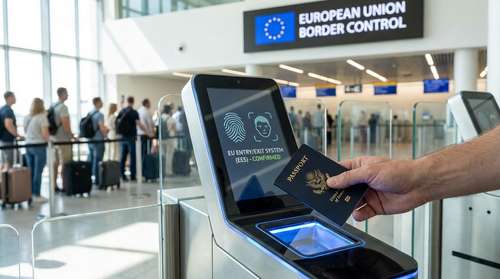
Unlike traditional visa processes, you do not need to fill out complex forms or pay any fees before you depart your home country. Registration happens entirely at your destination. When US travelers to Europe 2026 arrive at major hubs, they will be directed to clearly marked self-service kiosks or dedicated border counters.
The Registration Steps
- Document Verification: You must present a biometric passport—one containing an electronic chip—at the scanner. Nearly all modern American passports meet this standard.
- Data Capture: This is the core of the EES biometric requirements: the system takes a live, high-resolution facial image and scans four fingerprints. Families should note that children under the age of 12 are exempt from the fingerprinting requirement, though they must still have their photo taken.
- Border Officer Approval: After your data is securely logged into the centralized EU database, a border agent verifies your identity and authorizes your official entry.
Your profile remains securely stored and valid for three years. On subsequent trips to Europe during that window, you will only need a quick photo or fingerprint scan to verify your identity, allowing you to use faster electronic gates and speeding up the process considerably.
Brace for Europe Travel Border Delays This Week
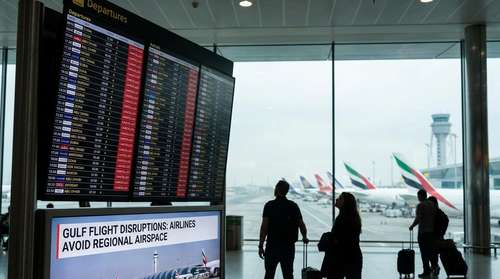
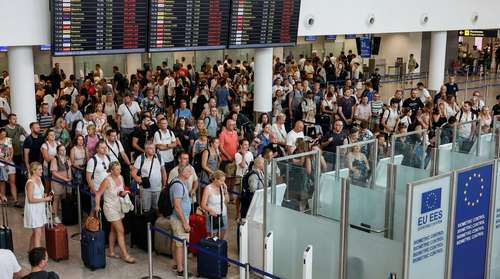
While the advanced technology promises streamlined security in the long run, the immediate reality on the ground paints a much more frustrating picture. Industry giants, including ACI Europe and the International Air Transport Association (IATA), have publicly highlighted the massive operational strain airports are currently facing. The infrastructure simply cannot keep up with the sheer volume of international passengers navigating the digital kiosks for the first time.
Airline advisories released today specifically single out high-traffic transit hubs as major choke points. Global mobility managers report that dry runs and early phased implementations earlier this year caused severe backups of 60 to 90 minutes at key airports like Paris Charles de Gaulle, Frankfurt, and Amsterdam Schiphol. Many historic airport facilities lack the physical floor space required to process tens of thousands of passengers simultaneously. If you have tight connecting flights within Europe this weekend, experts strongly recommend scheduling extra transfer time. Do not assume that Global Entry or similar fast-track memberships will exempt you from these primary checks; biometric capture is universally mandatory on the first visit.
Looking Ahead: ETIAS and the Transatlantic Travel Guide
The mandatory launch of the EU Entry Exit System 2026 is just the first tactical step in a much broader border modernization strategy. These automated records lay the necessary digital groundwork for the European Travel Information and Authorization System (ETIAS). Expected to roll out in late 2026, ETIAS will function similarly to the American ESTA program, requiring an online pre-travel authorization and a €7 fee for all visa-exempt visitors before they even board their flights.
Until that secondary system launches, adapting to the current EES rollout remains the primary hurdle for transatlantic travelers. Any comprehensive transatlantic travel guide will now tell you to pack patience and plan for slower arrivals. Follow terminal signage carefully for "first-time EES registration" lanes, and double-check that your passport is valid for at least three months beyond your planned departure date from the Schengen zone. While the nostalgic thump of the ink passport stamp will certainly be missed by globetrotters, adjusting your expectations to this strict digital reality will keep your European itinerary moving smoothly and legally.