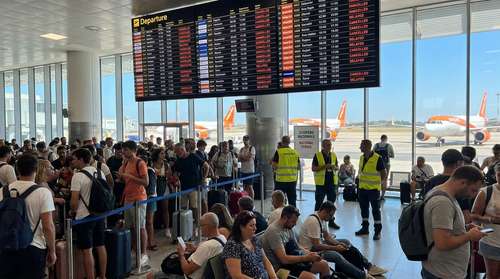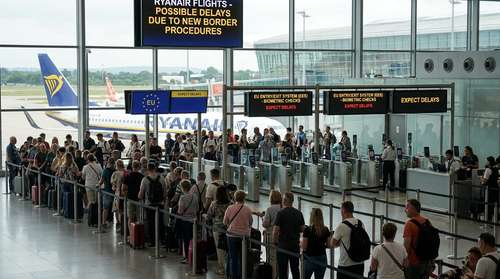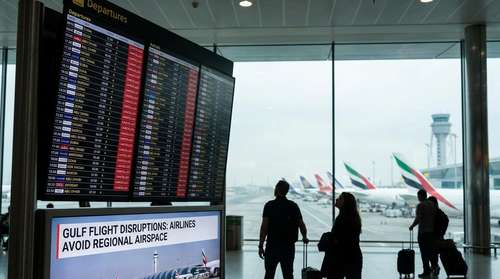
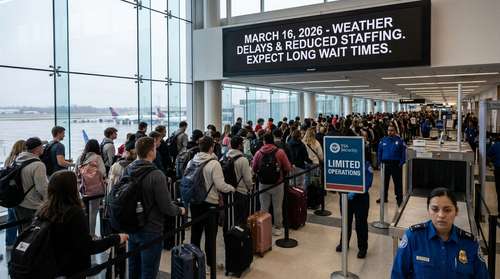
Millions of Americans embarking on their highly anticipated vacations are walking straight into unprecedented Spring Break 2026 travel delays. A devastating combination of record-breaking passenger volumes and a severe TSA staffing shortage 2026 has pushed major aviation hubs to the breaking point. With over 60,000 transportation security officers going without pay due to a partial government shutdown that began on February 14, the security infrastructure at commercial airports is buckling under the pressure.
The Expanding Government Shutdown Airport Impact
The core of the crisis stems from the lapsed funding for the Department of Homeland Security (DHS). As the political gridlock in Washington enters its second month, the government shutdown airport impact is manifesting in crippling security lines and massive operational bottlenecks. Transportation Security Administration personnel have missed multiple paychecks, forcing a significant percentage of the highly trained workforce to call out sick or seek alternative employment to cover basic living expenses.
The absentee numbers are staggering. According to federal officials, the TSA call-out rate has surged to 41% at George Bush Intercontinental Airport and hit a nationwide peak of 55% at Houston Hobby. At Hartsfield-Jackson Atlanta International Airport, the world's busiest hub, call-outs are hovering around 21.5%, resulting in security wait times that have frequently exceeded two hours during peak morning rushes. Meanwhile, JFK airport security wait times have ballooned as Northeast facilities struggle to keep standard screening lanes open with a rapidly fracturing workforce.
A Record-Shattering Spring Travel Season
The timing of the political impasse could not be worse for the broader aviation industry. Airlines for America projects a record 171 million passengers will take to the skies between March and April—a massive 4% increase from the previous year's travel volumes. This staggering metric means that even a fully staffed and well-funded security apparatus would be severely tested. Under the current constrained conditions, the system is fundamentally overwhelmed.
Winter Storms and Chicago O'Hare Flight Cancellations Today
Adding insult to injury, Mother Nature has unleashed a punishing wave of late-winter weather across the Midwest and Eastern Seaboard. Severe thunderstorms, heavy sustained winds, and regional snow have triggered major FAA ground stops and cascading delays that commercial airlines are desperately struggling to recover from.
The situation in the Midwest remains particularly dire for weekend travelers. Passengers checking the departure boards for Chicago O'Hare flight cancellations today will find a hub completely paralyzed by the compounded effects of severe weather and staffing deficits. On March 21 alone, O'Hare logged an astounding 244 flight disruptions, heavily weighted toward extensive delays that have stranded tens of thousands of connecting passengers. Airlines are opting to delay flights rather than cancel them outright, but the strategy has left terminal floors crowded with exhausted travelers waiting out rolling, unpredictable departure changes.
Airlines Sound the Alarm
Carriers are doing everything in their power to manage the crisis, but their operational options are severely limited. Chief executives from major domestic carriers have issued joint public statements urging lawmakers to immediately resolve the funding lapse. They warn that the prolonged operational strain is not only a massive inconvenience but also a growing safety concern, as crowded public lobbies and frustrated crowds push terminal infrastructure to its absolute limits.
Washington Gridlock: DHS Funding Bill Travel News
The path to resolving the US airport chaos March 2026 remains clouded by intense partisan battles over border policy. Lawmakers are currently deadlocked over the latest DHS funding bill travel news, with negotiations stalling entirely over proposed rules governing federal immigration enforcement operations.
Industry leaders are aggressively sounding the alarm. U.S. Travel Association President and CEO Geoff Freeman recently highlighted that these sprawling delays could cost the American economy nearly $1 billion in lost productivity and revenue. He noted forcefully that it is unacceptable to gamble with aviation security while frontline officers are forced to work on empty. The White House has also escalated the rhetoric, with the President suggesting that U.S. Immigration and Customs Enforcement (ICE) officers might be deployed to commercial airports to take over screening duties if the staffing crisis is not resolved by Monday.
How to Navigate the US Airport Chaos March 2026
If you are scheduled to fly during this highly volatile period, standard travel advice no longer applies. The traditional two-hour arrival window is entirely insufficient for the current climate. Airport authorities are universally issuing updated emergency guidance for the duration of the federal shutdown.
- Arrive Exceptionally Early: Houston Airports and other major authorities now recommend arriving at least three hours prior to domestic departures and four full hours before international flights.
- Monitor Security Apps: Download your home airport's official app or use the MyTSA mobile application to check live security wait times before you even leave for the terminal.
- Prepare for Routing Changes: If you are flying through storm-impacted regions or airports experiencing severe TSA call-outs, monitor your airline's app closely. Carriers are increasingly issuing travel waivers that allow fee-free rebooking to avoid major delay epicenters.
Until Congress secures a lasting funding resolution for the DHS, passengers should expect the friction at the airport to persist. Pack extra patience, plan for heavy disruptions, and prepare for a fundamentally altered travel experience this spring.