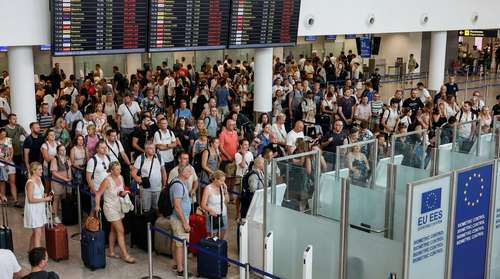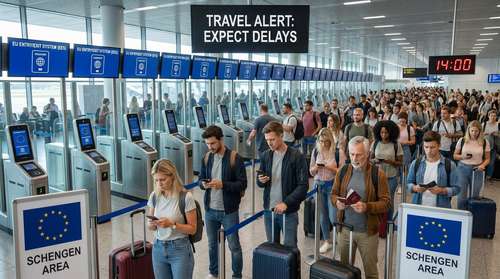
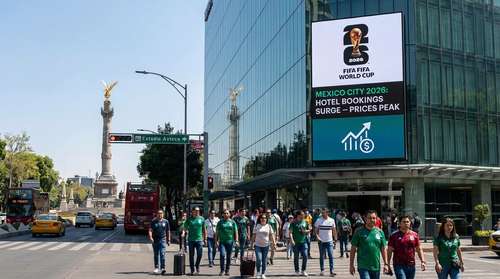
The clock is officially ticking. On June 11, the referee's whistle at Estadio Azteca in Mexico City will signal the start of the 2026 FIFA World Cup, opening with a historic clash between Mexico and South Africa. With exactly two months remaining before the world's biggest sporting event begins across 16 locations, an unprecedented North American travel surge is completely reshaping the hospitality landscape. Millions of supporters are scrambling to finalize their itineraries, sending host city hotel prices into the stratosphere. From Dallas to Vancouver and Atlanta, available rooms are vanishing rapidly, and industry analysts warn that popular tournament hubs are on track to surpass 90% occupancy for the summer.
Host City Hotel Prices Defy Gravity
For fans holding coveted match tickets, sticker shock on accommodations is proving to be the steepest hurdle. Recent lodging intelligence data reveals that visitors are paying an average 31.44% premium simply to be in a tournament city on a game night compared to normal summer rates. In several high-demand markets, the spikes are far more severe.
Vancouver has emerged as the tournament's most punishing destination for budgets, with peak game-day hotel averages hitting an astonishing $1,455 per night. South of the border, Guadalajara experienced the most explosive overall market growth, with room rates skyrocketing by 385% immediately following the group stage draw. Even cities with massive room inventories, like Dallas, have seen their advertised rates jump by over 150% year-over-year.
The short-term rental market offers little refuge. In Boston, the estimated cost for a standard Airbnb during the tournament has surged from $816 to more than $3,044 for a weekend stay. Factor in flights and local transit, and the total projected trip cost to watch a single match in Boston now averages $8,929, making it the most expensive U.S. venue on the map.
Where Real Value Still Exists
Despite the sweeping price hikes, a few destinations are maintaining relative stability. Markets like Houston and Atlanta are experiencing much softer increases. Houston boasts an average matchday hotel rate of just $173 per night, heavily insulated by a massive metro inventory of over 100,000 rooms. Atlanta shows a similarly stable profile, with some downtown rates seeing minimal matchday bumps, making these Southern hubs prime targets for budget-conscious attendees.
Navigating World Cup Flight Deals and Transit
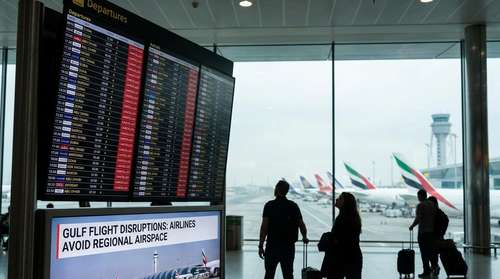
To manage the logistical nightmare of moving fans between 16 cities across three vast countries, the aviation industry is adjusting its playbook. Airlines are scrambling to introduce dedicated Fan Shuttle routes between major venues to keep up with the staggering inter-city mobility required by the group stages. These strategic short-haul flights aim to connect major hubs like Los Angeles, Dallas-Fort Worth, and the New York-New Jersey area seamlessly.
Interestingly, while domestic demand is red-hot, transatlantic airfares present a contrasting reality. Fans flying from Europe might actually uncover surprising World Cup flight deals. Because airlines aggressively expanded transatlantic capacity earlier this year, an oversupply of seats has caused average economy tickets to drop. Routes from Europe to host cities like Kansas City are down by as much as 16% year-over-year. For savvy European supporters, cheaper airfare provides a crucial offset to exorbitant North American lodging costs.
An Essential FIFA Fan Travel Guide for Late Bookers
If you have tickets to the soccer tournament 2026 but haven't secured a place to sleep, the window for central accommodations is rapidly closing. The smartest approach for latecomers is adopting the second city strategy.
Rather than paying an average of $583 per night in the immediate vicinity for the July 19 Final at MetLife Stadium, veterans of global tournaments are booking rooms in Newark or Jersey City. This allows them to utilize regional transit to bypass extreme surge pricing. Similarly, fans heading to Atlanta can secure rooms in suburban Sandy Springs for roughly $184 a night—nearly half the cost of staying in Midtown—and ride the MARTA train directly to Mercedes-Benz Stadium. Looking just 20 to 30 minutes outside the primary host zones is the most effective way to protect your wallet.
The Broader Impact on Summer 2026 Tourism
Beyond the pitch, the tournament is poised to deliver a massive economic jolt to the continent's summer 2026 tourism season. Early forecasts suggest that event-related visitor spending could top $556 million across American host cities alone over the 39-day event. Hotels in these designated zones are projecting a 13% lift in revenue per available room (RevPAR).
Yet, this financial windfall requires attendees to budget meticulously. With resale tickets in Philadelphia and Boston currently pushing $4,986 for Category 1 seating, the reality of attending the tournament is proving costly. As the final 60 days tick away, locking in those remaining Fan Shuttles and suburban hotel rooms is the final test before the beautiful game takes over North America.