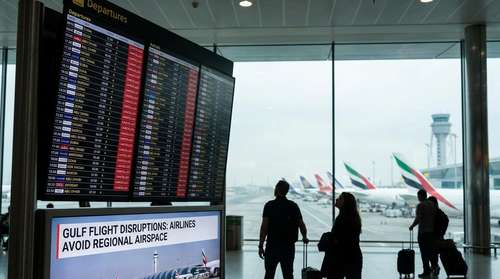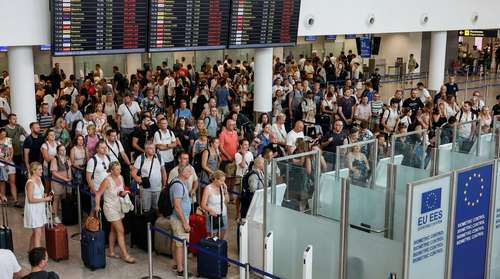
Travelers preparing for Spring Break 2026 travel are facing a chaotic reality this week as a record-breaking seasonal surge crashes headlong into a persistent partial government shutdown. With the Department of Homeland Security (DHS) funding lapsed since February 14, airports across the nation are bracing for what industry analysts are calling a "perfect storm" of congestion and delays. As of Thursday, the situation has escalated dramatically with the suspension of Global Entry, leaving millions of international arrivals in limbo just as U.S. airlines prepare to fly an unprecedented 171 million passengers.
The Great Spring Break Gridlock of 2026
The numbers alone are staggering. According to the latest forecast released this week by Airlines for America (A4A), U.S. carriers expect to transport 171 million passengers between March 1 and April 30. This represents a 4% increase from 2025 and an all-time high for the season. To meet this demand, airlines have scheduled approximately 26,000 daily flights, offering 3.5 million seats every single day.
However, this operational ramp-up is colliding with a paralyzed federal infrastructure. The government shutdown travel impact is no longer theoretical; it is visible in the growing lines at major hubs from O'Hare to Miami. While air traffic controllers and TSA agents are deemed essential and forced to work without pay, the strain is beginning to show. In previous shutdowns, unpaid shifts led to increased unscheduled absences—"sick outs"—which crippled screening capacity.
"U.S. airlines are ready for the travel rush this spring, but we have grave concerns that millions of travelers are once again being used as a political football," said Chris Sununu, President and CEO of Airlines for America. His warning highlights the disconnect between the industry's readiness and the federal government's inability to keep the lights on at critical security checkpoints.
Global Entry Suspended: A Blow to International Travel
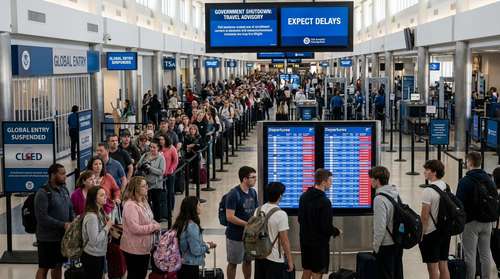
In a move that stunned the travel industry, the DHS announced the nationwide suspension of the Global Entry suspended 2026 program effective February 22. The decision immediately shuttered the expedited processing kiosks that millions of low-risk travelers rely on to bypass standard customs queues.
The suspension has already triggered chaos at international arrival halls. Without the automated kiosks, vetted travelers are being funneled into standard Customs and Border Protection (CBP) lines, causing bottlenecks that can last hours. DHS Secretary Kristi Noem defended the difficult decision, stating, "Shutdowns have serious real-world consequences... it endangers our national security." She emphasized that the agency had to prioritize resources for general security over "special privilege" programs during the funding lapse.
The TSA PreCheck Reversal
Confusion peaked earlier this week when the DHS initially signaled it would suspend TSA PreCheck alongside Global Entry. However, following immediate and fierce backlash from the travel sector and the public, the agency performed a U-turn. As of today, TSA PreCheck lanes remain operational, though travelers are warned that staffing shortages could still lead to closures at specific checkpoints on a case-by-case basis.
Airport Security Delays and Staffing Strains
The DHS shutdown 2026 is creating a precarious environment for the Transportation Security Administration. With officers missing paychecks, the threat of increased attrition and absenteeism looms large. During the 2019 shutdown, call-out rates hit 10% at some airports, tripling the norm. If a similar trend takes hold this March, TSA wait times could balloon just as passenger volume peaks.
Reports from major hubs like Houston and Atlanta already indicate intermittent delays. Travelers are reporting standard security wait times inching toward the 60-minute mark during peak morning banks, a figure that could double if staffing levels dip further. The suspension of Global Entry exacerbates this by trapping returning travelers in customs halls, potentially causing missed connecting flights and cascading delays throughout the domestic network.
Survival Guide: Navigating the Chaos
With record airline passengers taking to the skies, travelers must adapt their strategies to ensure they make their flights. Here are essential steps for navigating the current airport environment:
- Arrive Earlier Than Usual: The standard "two hours before" rule is insufficient. For domestic flights, aim for three hours; for international, four. This buffer accounts for potential airport security delays and unexpected lane closures.
- Use Mobile Passport Control (MPC): With Global Entry offline, the free Mobile Passport Control app is the best alternative for international arrivals. It allows U.S. citizens to submit their passport and declaration information via their smartphone, often granting access to a dedicated lane that is faster than the general queue.
- Monitor TSA Status: Download the MyTSA app to check real-time wait estimates for your specific airport. Be aware that these can change rapidly if a shift of officers calls out sick.
- Pack Smart: With lines already slow, don't be the cause of further delays. Ensure all liquids follow the 3-1-1 rule and electronics are easily accessible, as stressed agents may have less patience for bag checks.
As the stalemate in Washington continues, the burden unfortunately falls on the passenger. While airlines are adding capacity to handle the spring surge, the ground infrastructure is fragile. Patience and preparation will be the most valuable items in your carry-on this season.