For decades, the steady flow of traffic across the northern border was a reliable engine for the American economy. But as we head into the spring travel season, the landscape has fundamentally shifted. Forecasts for Canadian tourism to US 2026 are painting a grim picture, with overall cross-border visits plummeting by over 30%. This unprecedented drop is sending shockwaves across the tourism sector, leaving local businesses to grapple with the profound financial consequences of a growing Canadian travel boycott. From boutique hoteliers in the Pacific Northwest to real estate agents in Florida, the message is clear: America's closest neighbors are choosing to stay home.
Dissecting the U.S. Border Crossing Trends
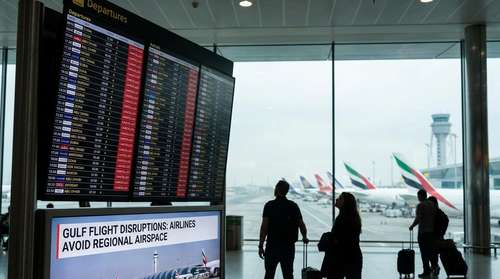
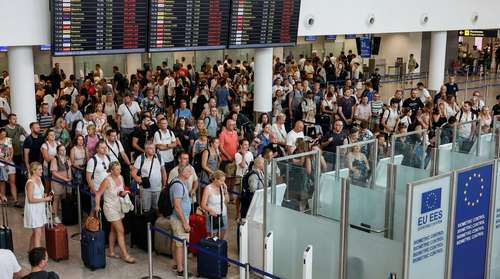
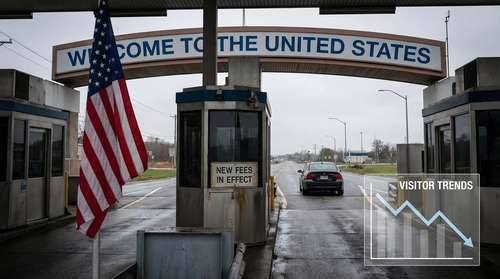
The latest figures underscore a dramatic and rapid retreat. First-quarter data from 2026 reveals a staggering reduction in both land and air travel from Canada. Recognizing the suppressed demand, airlines proactively slashed 450,000 seats from Canada-to-U.S. routes in just the first three months of the year, representing a 10.1% capacity cut. Land borders tell an even bleaker story. Vehicular crossings have tumbled, with duty-free shops—often the canary in the coal mine for border economies—reporting direct revenue losses between 40% and 50%.
These U.S. border crossing trends signify a structural shift rather than a temporary blip. Instead of enduring long waits at customs, travelers are rerouting their vacations toward domestic Canadian destinations or overseas markets like Mexico. The sudden disappearance of these travelers translates to an immediate loss of foot traffic for gas stations, roadside diners, and regional attractions that rely entirely on the highway pipeline.
The Impact of Politics on Travel
Understanding this steep decline requires looking beyond typical macroeconomic factors. The impact of politics on travel has rarely been more pronounced. A toxic mix of rising border security anxieties, stringent immigration policies, and heated trade rhetoric has fundamentally altered sentiment among America's northern neighbors. Ongoing geopolitical disputes, including aggressive tariff negotiations and controversial political rhetoric regarding Canadian sovereignty, have alienated millions of prospective visitors. In fact, recent polling indicates that over 90% of Canadians now favor reducing their economic and cultural reliance on the United States entirely.
Furthermore, administrative changes at popular outdoor destinations have poured salt on the wound. Beginning in 2026, US national park fees for non-residents have skyrocketed, with the annual international pass jumping from $80 to $250. Additionally, international visitors now face a steep $100 per-person surcharge at 11 of the busiest locations, including Yellowstone, Yosemite, and Glacier. For many Canadians already facing an unfavorable exchange rate, these targeted price hikes—which actively prioritize U.S. citizens—feel exclusionary, turning once-affordable family camping trips into prohibitive luxuries and further fueling the ongoing boycotts.
Border City Tourism Decline Hits Hard
The fallout is acutely visible in the communities that physically border Canada. The border city tourism decline has hollowed out hotels, restaurants, and cultural institutions in key northern hubs. In Washington State, where Canadians historically make up more than half of all international visitors, major cities are bleeding revenue, observing a 26% decline in southbound crossings. The Seattle Art Museum, for instance, reported a staggering 50% drop in Canadian visitors.
The Midwest is experiencing a similar drought. Visit Detroit recently noted that visitation from Canada is down approximately 30%, dealing a heavy blow to the city's revitalization efforts and hospitality sectors. Cross-border synergy, once defined by casual weekend trips for sporting events, casino nights, and outlet shopping, has largely stalled. Smaller riverfront towns in New York, such as Lewiston, are visibly quieter, with local business proprietors expressing frustration over the sudden disappearance of their most reliable demographic.
The US Hospitality Market 2026 Forecast
Looking at the broader macroeconomic picture, the US hospitality market 2026 is absorbing a multi-billion dollar hit. Analysts project total economic losses to reach roughly $4.5 billion due to the drop in Canadian spending alone. The pain extends far past the border states. Real estate agents along Florida's Gulf Coast are already sounding alarms, noting that snowbirds—who traditionally purchase or rent winter homes in droves—are conspicuously absent from the market this year.
As summer approaches, the American travel industry is desperately pivoting to attract domestic travelers and tourists from other international markets to plug the revenue gap. Special promotional discounts are being rolled out, but the sheer volume of Canadian travelers—once numbering over 20 million annually and spending upwards of $20.5 billion—makes them virtually irreplaceable in the short term. Unless the underlying political and economic friction points are resolved soon, American tourism boards and local businesses will need to adjust to a sobering new reality: a tourism landscape where their closest neighbor remains firmly on its side of the fence.